
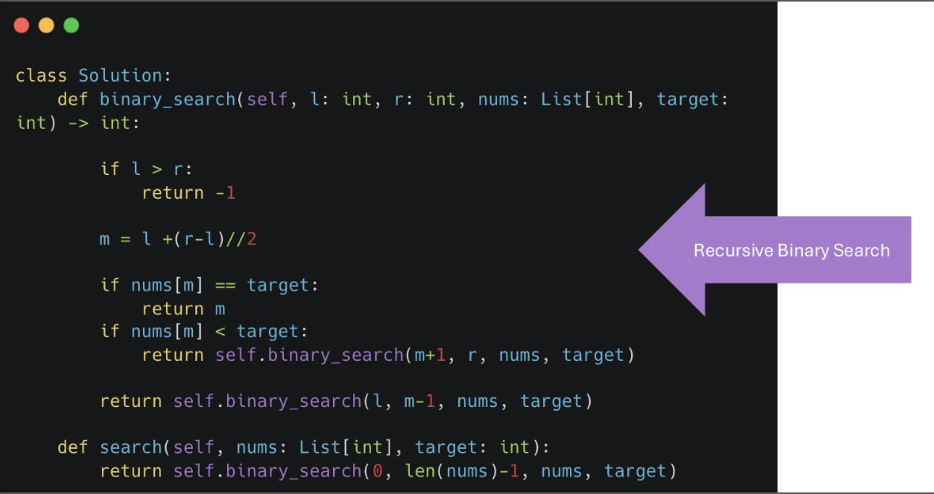
Recursive Binary Search: It is elegant until it breaks production.
- Full Stack Basics
- Aug 8, 2025
- 1 min read



In 2018, Amazon’s pricing engine hit a wall.
During massive holiday traffic spikes: Black Friday and Prime Day, something strange happened. The service responsible for scanning sorted offer lists started failing. Quietly. Intermittently. And only under high load.
Engineers traced the issue back to a recursive binary search call. It worked perfectly during normal load. But at scale, the growing data pushed recursive calls beyond the call stack limit.
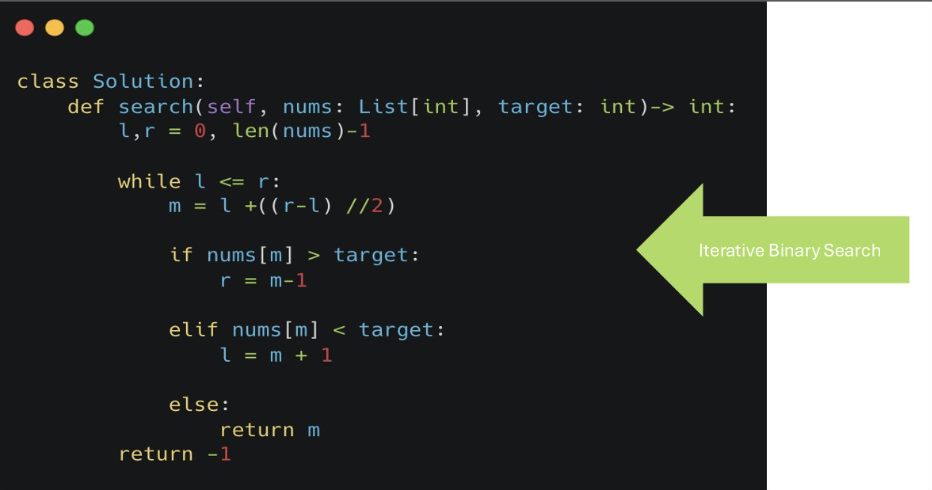
The team rewrote the logic to an iterative binary search version. The fix was simple but the lesson was deep: beautiful code isn’t always production-ready.
They updated their internal code review guidelines to disallow unbounded recursion on large datasets.
Here’s why iterative binary search is safer in real-world systems:
It keeps memory flat: just l, r, and m
No stack frames, no risk of overflow
It works on 10, 100, or even 1 billion entries
So yes, recursive binary search is elegant for teaching, for interviews, and for small inputs. But if you're building for scale, there's no contest: go iterative.
Engineers who build systems that survive spikes don’t just write correct code, they write resilient code.



Comments